Baby Care Program

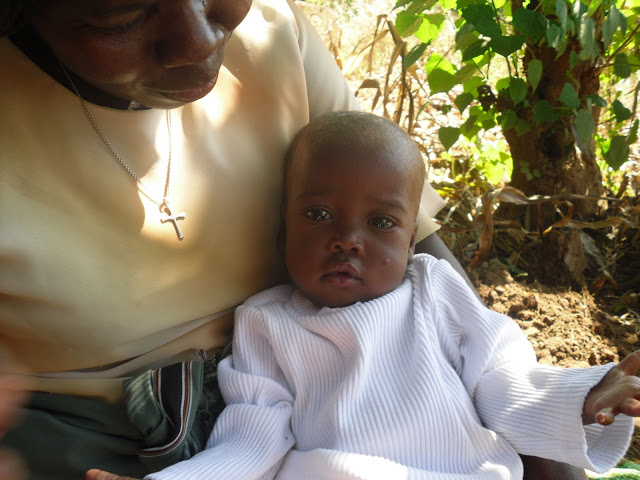
In our Baby Care Program, nurses identify vulnerable infants immediately after birth and provides these babies home-based nursing care for one year.  According to the World Health Organization’s statistics for 2006, twelve percent of children in Malawi do not survive to the age of five and approximately 20% of these deaths occur within the first month of life. Because neonatal deaths constitute such a large portion of child deaths, by focusing on early enrollment, even as a small organization we can significantly impact survival rates.  Referrals of vulnerable newborns at Bwaila and Kamuzu Central Hospitals are made in the first days after birth. These infants include those whose mothers die soon after delivery, premature infants, multiples, and infants with conditions or disabilities which may negatively impact their survival.


Our nurses establish a relationship with guardians or mothers of these newborns while they are still in the hospital.  The nurses then visit these infants regularly in their home communities for the first year of life.  In the case of orphaned infants, nurses provide formula and teach and monitor guardians’ ability to reconstitute formula and keep the feeding and storage utensils clean.  For breastfed infants, Joyful Motherhood nurses teach the benefits of exclusive breastfeeding and support mothers’ breast milk production by providing supplemental food packages to those in homes with food instability.


Home visits are scheduled more frequently during the first months and then less often as the child grows. During every visit, nurses monitor the child’s health status, address the mother/guardian’s concerns, and assess the household environment. Nurses review vaccination records as well as growth and weight records. Nurses encourage mothers/guardians and other adults in the household to protect their own health status by seeking treatment for TB, malaria, and other communicable diseases.


A few words on orphaned infants . . . Even though many infants orphaned at birth or soon after are healthy, they require close regular follow-up to ensure that they survive and maintain their health.  In Malawi the death of an infant shortly after the death of her mother is such a common phenomenon that there is a widely head belief used to explain it.  Many people believe that the baby wants to follow it’s mother and thus believe death is inevitable.  Even with formula these infants face increased risks – without a mother to prioritize them, breast milk to build their immune system, with increased risk of contaminants infecting them via the formula. Health education and counseling of the guardians and communities of these little ones is key to ensuing their survival.  Orphans make up approximately one third of our case load.


Please go to our stories page to read about specific babies enrolled in our program.

Share