About Malawi
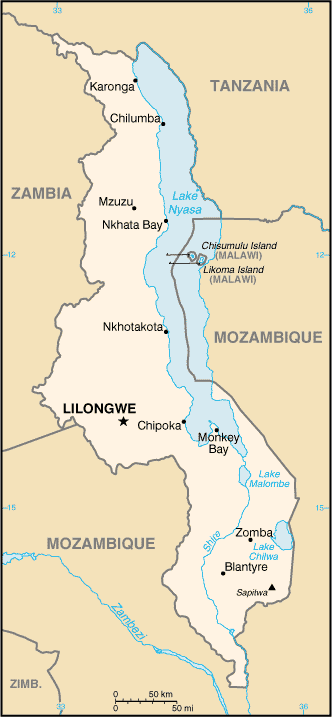
Malawi, most famously known as “the warm heart of Africa”, is a desperately beautiful country. Within its 2,880km borders, the land rises from plains to mountains, transforms from desert landscapes to forests, and to the east it includes Lake Malawi – one of Africa’s largest fresh water lakes with over 250 species of tropical fish.
Formerly known as Nyasaland, Malawi obtained its independence from the British in 1964. President Kamuzu Hastings Banda rose to power and ruled until 1994, at which time the country transitioned into a multi-party democracy. Peter Mutharika is the current president of Malawi. He is the brother of the former President Bingu wa Mutharika who died while in office.
Despite its peaceful history, Malawi remains one of the poorest countries in the world. Although Malawi’s population has passed 18 million and only 20 percent of the land is arable, the vast majority of Malawians continue to rely on subsistence farming. Industry is limited and major exports include: tea, coffee, sugar, and tobacco. Progressive deforestation and land degradation foreshadow difficulties ahead and each year pockets of the country suffer from famine.
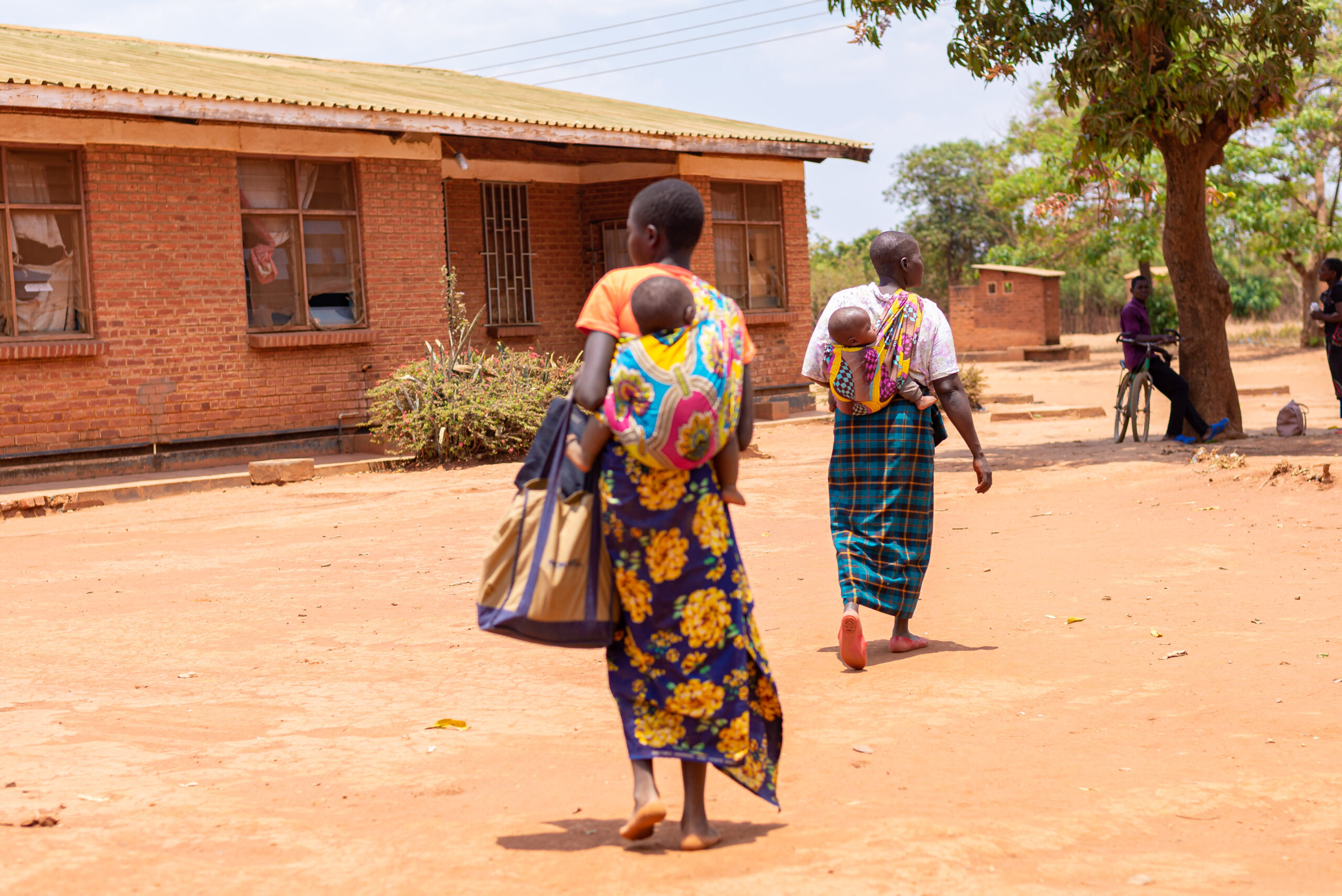
Women in Malawi have an average of five children. More than five percent of children die before the age of five. It is not uncommon to meet young mothers in the public hospitals who have already buried multiple children. Unfortunately, Malawi also suffers one of the world’s highest maternal mortality rates.
According to the WHO, life expectancy in Malawi is 61 for men and 67 for women, with preventable and treatable illnesses as well as parasitic infections being common causes of death. Like most countries in Sub-Saharan Africa, HIV is also major problem, UNAIDS estimates that 9.6% of adults are living with HIV. Both in town and in villages, widows caring for their orphaned grandchildren are all too common.
Malawi’s health care system operates at a skeletal level; with less than 300 physicians in the entire country (approximately two doctors for every 100,000 people), the majority of care is provided by nurses and clinical officers. Even so, clinics and hospitals face a severe staff shortage. It is in this setting that we have put down roots.